
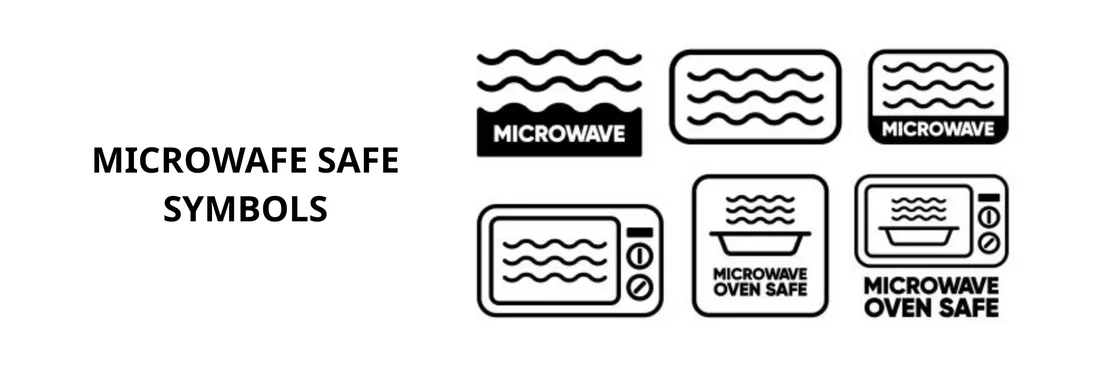
Have you ever turned a container upside down, seen a strange logo with wavy lines, and wondered what it means? That small mark could determine whether your lunch reheats safely or ends up releasing chemicals into your food. Understanding the microwave safe symbol and how it relates to container safety is one of the simplest ways to protect your health and extend the life of your kitchenware.
Not every container is safe to use in the microwave — and assuming one is can lead to melted lids, chemical leaching, or even fire hazards. In this guide, you’ll learn exactly what the microwave-safe symbol means, how to identify it, and what materials are best for reheating food safely.
Table of Contents
What Is the Microwave Safe Symbol?
The microwave safe symbol is a small icon printed or engraved on the bottom of a container. It usually looks like three wavy lines, though sometimes you’ll see a microwave outline or similar variation.
When you see this mark, it means the manufacturer has tested the product and confirmed that it won’t melt, deform, or release harmful substances when used under normal microwave heating conditions.
However, “microwave safe” doesn’t mean “heat-proof.” Even approved containers can become unsafe if used for long durations, at high power, or with foods that reach very high temperatures.
Common Variations of the Microwave Safe Symbol
You’ll find the microwave safe symbol in different forms, depending on the product type and brand. The most common versions include:
- Three wavy lines: The universal sign for microwave safety.
- Microwave icon: A small outline of a microwave or a dish inside it.
- Waves inside a square: Indicates both microwave and heat tolerance.
- Words or abbreviations: Some containers simply say “Microwave Safe” or “MW Safe.”
If none of these appear on your container, it’s best to avoid microwaving it altogether. Manufacturers are required to label tested items, so an unmarked container usually means it hasn’t been certified safe.
Why the Symbol Matters
The microwave safe symbol isn’t just about preventing melted plastic — it’s about food safety. Heating the wrong materials can lead to:
- Chemical migration: Plastics not meant for heat can leach compounds like BPA or phthalates into food.
- Structural damage: Warped or cracked containers can release microplastics or cause spills.
- Uneven heating: Unsafe materials can trap heat, causing hot spots that may burn food or your hands.
- Microwave damage: Some materials, like metal-coated plastics or foil, can spark and damage the appliance.
The small symbol helps consumers quickly identify which containers are designed for safe reheating and which aren’t.
Materials That Are Microwave Safe
Understanding which materials naturally handle microwave heat helps you make smarter kitchen choices:
- Glass: The safest and most reliable option. Tempered glass doesn’t absorb heat unevenly or release chemicals.
- Ceramic: Ideal for reheating food. Avoid ceramics with metallic designs or paint.
- Microwave-safe plastic (PP #5): Common in Tupperware and similar products. Always confirm the symbol before use.
- Silicone: Flexible, non-toxic, and heat-resistant — a great modern alternative.
Avoid: Styrofoam, thin disposable plastics, metal-lined paper bowls, and unmarked takeout containers.
How to Tell If a Container Is Microwave Safe
If you can’t find the microwave safe symbol, here’s a quick way to test it safely:
- Fill a microwave-safe mug with water and place it next to the container you want to test (empty).
- Microwave both together for one minute.
- Carefully touch the unmarked container.
- If the container stays cool and the water is hot → likely safe.
- If the container becomes very hot → not microwave safe.
This test works because true microwave-safe materials absorb very little energy, letting the food (or water) heat instead.
How to Use Microwave Safe Containers Properly
Even if your container is microwave safe, using it incorrectly can still cause damage. Follow these tips for best results:
- Use medium heat or 50–70% power. Lower settings prevent overheating plastic or drying out food.
- Vent lids or leave them slightly open. Steam buildup can warp containers or pop lids open suddenly.
- Avoid oily and tomato-based foods. They heat faster and can stain plastic.
- Don’t microwave empty containers. They can overheat and melt without food to absorb the energy.
- Replace old or cracked containers. Over time, plastic weakens and becomes less safe, even if originally labeled microwave safe.
These practices protect your microwave, preserve your containers, and keep your meals safe to eat.
Other Common Kitchen Safety Symbols
While we focus on the microwave safe symbol, it’s useful to recognize other symbols often found beside it:
- Fork and wine glass: Safe for food contact.
- Snowflake: Freezer safe.
- Dishwasher symbol: Safe for dishwasher use.
- Triangle with number: Indicates the plastic type (e.g., #5 means polypropylene).
Learning these symbols helps you make quick, safe choices for every stage — storing, freezing, reheating, or cleaning.
Conclusion
The microwave safe symbol is more than just a logo — it’s a safety guarantee. It tells you that your container can handle heat without melting, leaching chemicals, or ruining your food.
Before reheating any meal, check the bottom of the container for three wavy lines or a microwave icon. If it’s not there, use glass or ceramic instead. A few seconds of checking can prevent melted lids, damaged containers, or unsafe meals.
In short: If it’s not marked microwave safe, don’t microwave it.
FAQs About Microwave Safe Symbols and Container Safety
What does the microwave safe symbol look like?
It usually appears as three wavy lines or a microwave icon printed on the bottom of the container.
Is every plastic with the symbol safe for long microwaving?
No. Even microwave-safe plastics should only be used for short reheating, not prolonged cooking.
Can I microwave a container without the symbol?
It’s not recommended. If a container isn’t labeled, it hasn’t been tested for heat safety.
Does the microwave-safe symbol guarantee it’s BPA-free?
Not always. Microwave-safe and BPA-free are separate certifications, though many modern containers meet both.
What’s the safest type of container for microwaving?
Glass or ceramic containers labeled microwave safe are the safest and most durable options.