
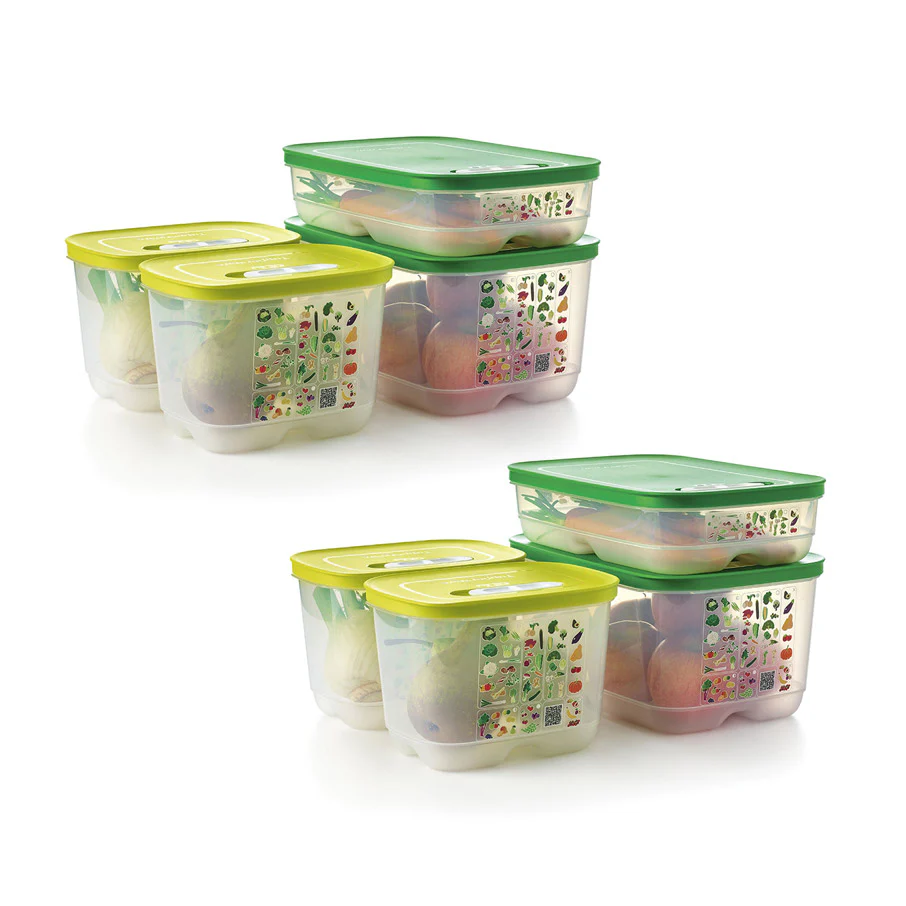
Tupperware makes food storage simple — but what about cleaning? After cooking or meal prepping, it’s tempting to toss everything into the dishwasher and call it a day. Still, one question keeps coming up: are Tupperware dishwasher safe?
The quick answer is yes, most modern Tupperware containers are dishwasher safe, but not every product should go on the same rack or endure the same heat level. Understanding which types are safe and how to wash them properly helps you keep your containers looking new and your food safe.
Table of Contents
Are Tupperware Dishwasher Safe?
If you’ve ever wondered, “are Tupperware dishwasher safe,” the answer depends on the container’s age, material, and care instructions.
Most new Tupperware products — especially those made from polypropylene (PP) or Tritan plastic — are labeled as dishwasher safe. These materials resist high temperatures and repeated washing cycles. However, older Tupperware made decades ago may not have been designed for dishwashers and can warp or fade over time.
You can usually find the dishwasher-safe symbol on the bottom of each container: a small plate or glass with water droplets, often with rack indicators.
Understanding Dishwasher-Safe Symbols on Tupperware
Knowing how to read the symbols on your container can save you from ruining your favorite set.
- Dishwasher-safe logo: A plate or glass symbol with diagonal lines or droplets means the product is safe to wash.
- Top-rack symbol: Some icons include an image of a rack, meaning the item should be placed on the top rack only to avoid direct heat exposure.
- Microwave or freezer icons: Often appear alongside dishwasher symbols to indicate multi-purpose use.
If your container doesn’t include a dishwasher symbol, it’s safest to hand wash it using mild soap and warm water.
Why Placement Matters: Top Rack vs. Bottom Rack
Even if your Tupperware is dishwasher safe, placement is key to keeping it in good condition.
- Top rack: The safest spot for most plastic containers. It’s farther from the heating element and reduces exposure to intense heat.
- Bottom rack: Should be avoided unless the Tupperware specifically states it’s safe for bottom-rack placement. The higher temperature near the heating coil can cause warping or melting.
Always use the gentle cycle if your dishwasher has one, and avoid “sanitize” or “high heat” options that exceed normal washing temperatures.
What Happens If You Put Non–Dishwasher-Safe Tupperware in the Machine
Using the wrong washing method can quickly damage your containers. If your Tupperware isn’t dishwasher safe, you may notice:
- Warping or bending from heat exposure.
- Faded logos and discoloration from detergent chemicals.
- Cracks or brittle edges that shorten the container’s lifespan.
- Lingering odors that are harder to remove over time.
Once a container loses its shape or develops cracks, it’s best to replace it — especially if you use it for reheating or food storage.
Best Practices for Washing Tupperware in the Dishwasher
To keep your containers looking new and functioning well:
- Check for the dishwasher-safe symbol. Confirm before washing.
- Use the top rack whenever possible. It’s cooler and safer.
- Avoid overloading the dishwasher. This helps water reach every surface.
- Skip harsh detergents. Choose mild, fragrance-free ones instead.
- Air dry instead of heat dry. Heat-dry cycles can warp thin plastics.
- Keep lids secure during washing. Use a rack or basket to prevent them from falling and warping.
- Don’t mix old and new Tupperware. Older ones might not withstand today’s hotter cycles.
By following these steps, you extend your container’s lifespan and prevent heat damage.
How to Clean Tupperware That Isn’t Dishwasher Safe
If your Tupperware doesn’t have a dishwasher-safe marking, it’s easy to clean it by hand:
- Soak the container in warm, soapy water for 15–20 minutes.
- Use a soft sponge or cloth — avoid anything abrasive.
- Rinse thoroughly to remove detergent residue.
- Dry with a towel or leave it to air dry completely before sealing.
For oily or stained containers, use baking soda paste or white vinegar to lift tough residues naturally.
How to Prevent Tupperware from Smelling After Washing
Even dishwasher-safe containers can retain odors over time. Try these tips:
- Leave containers open after washing to prevent trapped moisture.
- Add a spoonful of baking soda during the wash cycle for odor control.
- Store containers without lids to keep air flowing.
- Avoid washing containers that held strong-smelling foods with others.
This keeps your Tupperware fresh and ready for your next meal prep.
Conclusion
So, are Tupperware dishwasher safe?
Yes — most modern Tupperware containers can safely go in the dishwasher, especially when placed on the top rack. However, older or unlabeled pieces should always be hand-washed to prevent warping, fading, or cracking.
When in doubt, check the bottom for the dishwasher-safe symbol and use gentle cleaning methods to protect your investment. With proper care, your Tupperware will stay spotless and durable for years.
FAQs About Tupperware and Dishwashers
Can all Tupperware go in the dishwasher?
Not all. Only dishwasher-safe containers should be placed inside. Always check the symbol underneath before washing.
Can I put Tupperware lids in the dishwasher?
Yes, but place them on the top rack or use a utensil basket to prevent warping and falling.
What rack should I place Tupperware on?
The top rack is ideal, as it’s farther from the heating element. Avoid bottom-rack placement for most plastics.
Why did my Tupperware warp in the dishwasher?
It likely experienced direct heat or a high-temperature cycle. Always use mild settings and avoid the heat-dry function.
How do I remove stains from Tupperware after washing?
Use a paste of baking soda and water or let the container sit in sunlight to fade discoloration naturally.