
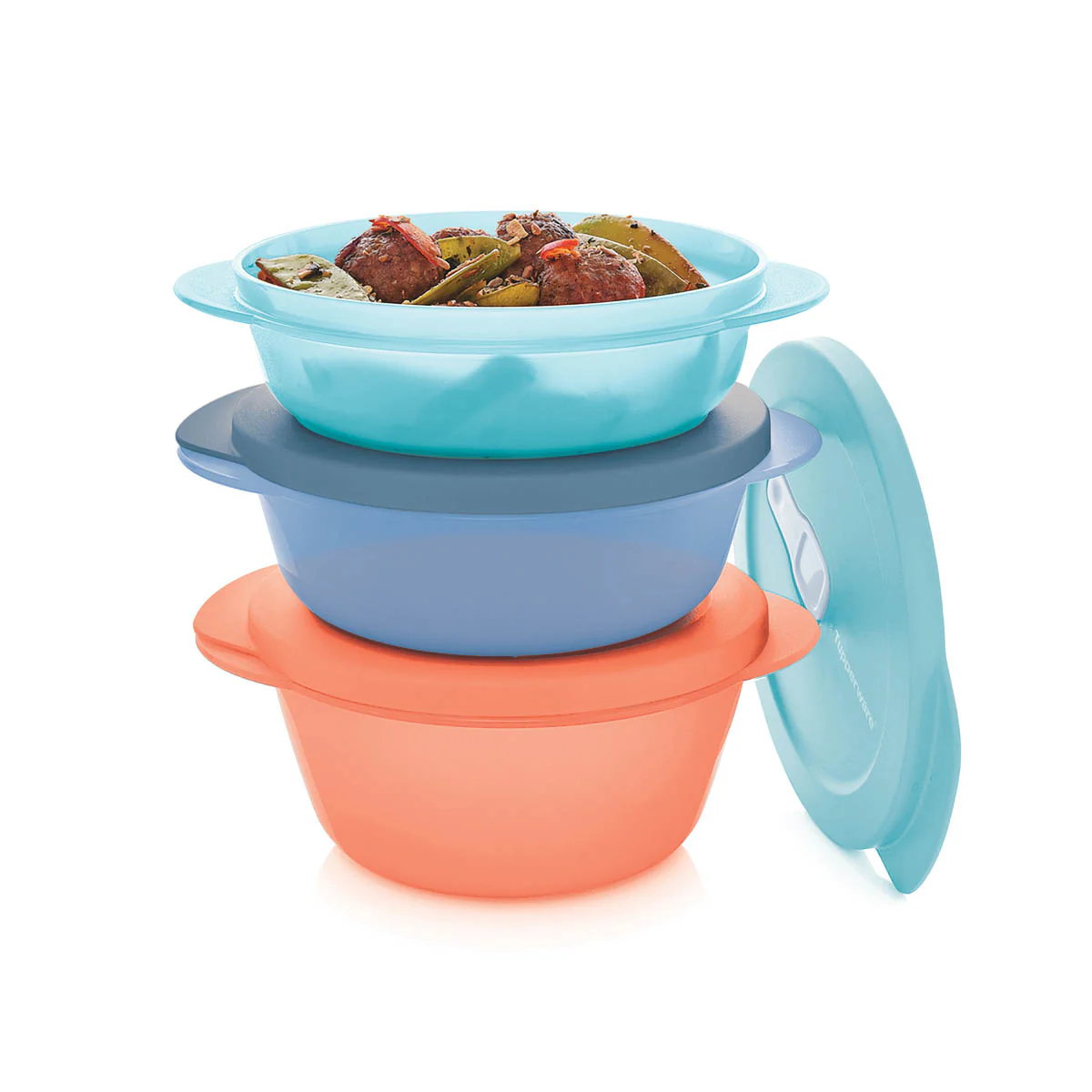
Tupperware has been a kitchen staple for decades, perfect for storing leftovers, meal prepping, and keeping snacks fresh. But as convenient as these containers are, one question often pops up: are Tupperware containers microwave safe?
The short answer is yes, some are — but not all. While modern Tupperware products are designed with heat-resistant materials, older models or those not labeled as microwave-safe can pose real risks. Let’s take a closer look at what makes certain containers safe to use, what to avoid, and how to reheat food the right way.
Table of Contents
What Are Tupperware Containers Made Of?
Before microwaving any container, it helps to understand what it’s made from.
Most modern Tupperware products are crafted from polypropylene (plastic #5) — a durable plastic that tolerates moderate heat without warping or melting. This material is generally safe for reheating food in the microwave.
However, not all Tupperware containers share the same composition. Older products (especially those made before the mid-2000s) may contain Bisphenol A (BPA) or phthalates, two chemicals once used to strengthen plastics but later linked to potential health concerns.
That’s why checking for the microwave-safe symbol is essential before heating your meal. If your container doesn’t display the symbol, it’s best to transfer your food to a certified microwave-safe option instead.
So, Are Tupperware Containers Microwave Safe?
The answer depends on when and which type of Tupperware you’re using.
- Modern Tupperware (BPA-free): Safe for microwave use, as long as it’s clearly labeled microwave-safe.
- Vintage or Unlabeled Tupperware: Not recommended for microwaving due to possible chemical leaching or melting.
Tupperware’s newer lines are specifically engineered to handle microwave heat, ensuring your food warms evenly without compromising the container’s integrity. Still, even safe containers can become unsafe if used incorrectly, like microwaving with the lid tightly sealed or heating oily foods for too long.
Why Some Tupperware May Not Be Safe
Not every Tupperware container is made to withstand high temperatures. Containers not marked as microwave-safe can:
- Warp or melt under prolonged heat exposure.
- Release chemicals into your food if the plastic degrades.
- Trap steam if the lid is sealed, which may cause pressure buildup or an accidental “pop.”
Additionally, older or scratched containers can become weak points for bacteria and chemicals. When in doubt, replace worn-out containers and always verify safety symbols.
The Risks of Microwaving Plastic Containers
Even with microwave-safe plastics, caution is necessary. Repeated heating can cause gradual breakdown over time, potentially leading to:
- Chemical leaching from degraded plastic.
- Uneven heating, leaving hot and cold spots in food.
- Odor retention or staining that affects food quality.
Experts recommend limiting how long you microwave plastic containers. Use short heating intervals (30–60 seconds), stir your food midway, and avoid cooking oily or acidic meals directly inside plastic.
For maximum safety, transfer your food to glass or ceramic containers whenever possible — they’re naturally microwave-safe and free from chemical concerns.
How to Safely Use Tupperware in the Microwave
If your Tupperware container is labeled as microwave-safe, here’s how to keep it that way:
- Loosen or remove the lid. Tightly sealed lids can trap steam and cause the container to burst.
- Avoid long reheating sessions. Heat in short bursts, stirring in between to ensure even temperature.
- Don’t microwave empty containers. This can cause overheating and damage the plastic.
- Avoid oily and tomato-based foods. These can stain or overheat the plastic faster.
- Check for wear and tear. Cracks, warping, or discoloration are signs to replace the container.
- Let the food cool before sealing again. This prevents trapped condensation and odor buildup.
Following these simple steps extends the life of your containers while keeping your microwave (and your food) safe.
Signs Your Tupperware Isn’t Safe Anymore
Even the best microwave-safe containers won’t last forever. Watch for these warning signs:
- The surface feels sticky or brittle.
- The plastic has warped, bubbled, or changed color.
- It smells even after washing.
- The microwave-safe logo has faded.
If you notice any of the above, it’s time for a replacement. Using damaged plastic can cause unwanted chemical migration into your meals.
Safer Alternatives to Microwaving Tupperware
If you’re looking for safer, longer-lasting options, consider:
- Glass containers — heat evenly and are naturally microwave-safe.
- Ceramic dishes — perfect for reheating without chemical risk.
- Silicone containers — flexible, non-toxic, and designed for heat resistance.
Keep your Tupperware for storage and use these alternatives for reheating — a simple habit that extends the life of your containers and ensures safer meals.
Conclusion
So, are Tupperware containers microwave safe?
Yes — but only when labeled as such, used correctly, and kept in good condition. Always check for the microwave-safe symbol, avoid overheating, and replace old or worn containers regularly.
When safety comes first, Tupperware remains a convenient, practical part of everyday kitchen life.
FAQs About Microwaving Tupperware
Can I microwave Tupperware with the lid on?
Only if the lid is vented or loosely placed. Sealing it tightly can trap steam and cause pressure buildup.
Can I microwave old Tupperware?
Avoid microwaving Tupperware made before 2010, as it may contain BPA or other heat-sensitive materials.
What happens if I microwave Tupperware that isn’t microwave-safe?
It can warp, melt, or release chemicals into your food, damaging both your container and your microwave.
How can I check if my Tupperware is safe to microwave?
Look for the microwave-safe symbol (usually wavy lines) on the bottom of the container. If it’s missing, don’t microwave it.
What’s the best alternative to Tupperware for reheating food?
Glass and ceramic containers are safer, heat more evenly, and don’t release chemicals.