
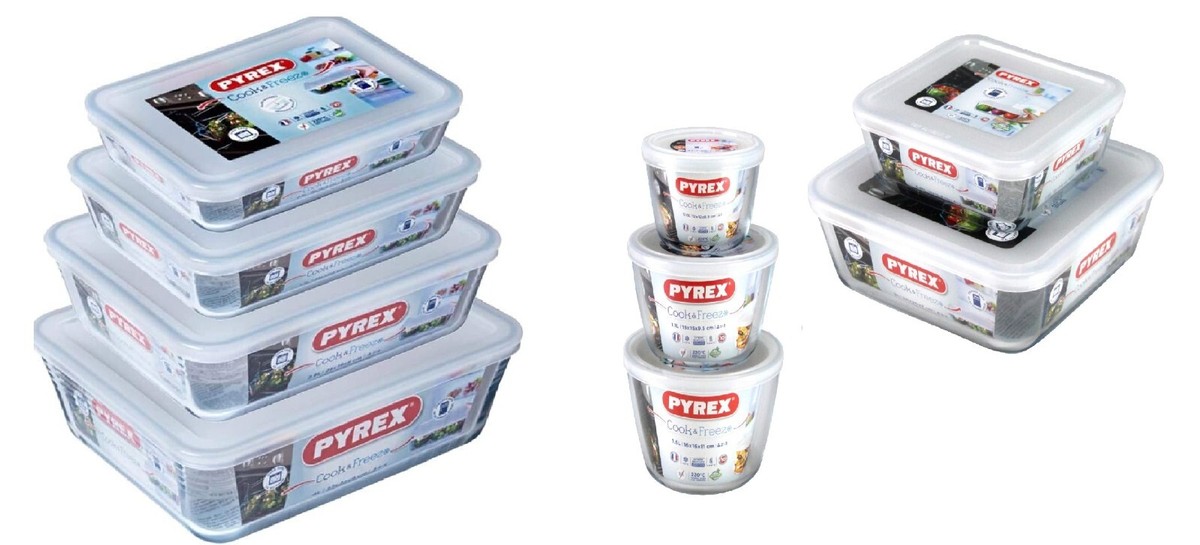
Pyrex has been a kitchen staple for generations. Most of us have at least one of those familiar glass dishes sitting in a cabinet right now — maybe a casserole dish passed down from a parent, or a set of storage containers you picked up last year. And when it’s time to reheat leftovers, the obvious move is to toss it in the microwave.
But is that actually safe to do?
The honest answer: it depends. Not all Pyrex is created equal, and even the microwave-safe pieces come with some important caveats. This guide walks you through everything you need to know before hitting that “reheat” button.
Is Pyrex Microwave Safe?
Generally speaking, yes — most Pyrex glass containers are microwave safe. Pyrex is made from either borosilicate glass or tempered soda-lime glass (depending on where it was manufactured and when), both of which can handle microwave use. The glass itself doesn’t absorb microwave energy the way food does, so it won’t heat up excessively on its own.
That said, there are a few things that can go wrong if you’re not careful, and we’ll get into all of them below.
The simplest way to confirm whether your specific container is microwave safe is to check the bottom. Pyrex microwave safe containers are labeled — you’ll typically see a microwave symbol (wavy lines) or the words “Microwave Safe” printed directly on the base. If it’s there, you’re good to go for standard reheating use.
Pyrex Glass vs. Pyrex Plastic: A Critical Difference
Here’s something that trips up a lot of people. When most folks think of Pyrex, they picture the glass baking dishes. But Pyrex also sells a line of plastic storage containers — and those two product types behave very differently in the microwave.
Pyrex glass containers are generally microwave safe as long as you follow a few basic rules (more on those below).
Pyrex plastic containers are a different story. Some are microwave safe and some are not. The plastic lids that come with Pyrex glass containers are almost never microwave safe — they’re designed for storage and transport, not for use under heat. Even lids that say “BPA-free” aren’t necessarily microwave-safe. Always remove the lid before microwaving.
Bottom line: glass Pyrex in the microwave is usually fine. Plastic Pyrex needs to be checked individually, and lids should stay off.
Why Pyrex Sometimes Breaks in the Microwave (Thermal Shock Explained)
You’ve probably heard stories — or maybe even had it happen yourself — where a glass dish shatters unexpectedly. This is most often caused by something called thermal shock.
Thermal shock happens when one part of the glass heats up or cools down much faster than another part. The glass expands and contracts unevenly, and if the stress is too great, it cracks or shatters. Pyrex is designed to resist this, but it’s not immune to it.
Here are the most common situations where thermal shock becomes a real risk:
- Going from freezer to microwave: Taking a Pyrex container directly from the freezer and putting it in a hot microwave is one of the most common causes of breakage. The temperature difference is simply too extreme. Always let frozen food thaw in the fridge overnight or on the counter for a while before reheating.
- Heating an empty dish: If there’s no food or liquid in the container, the glass can overheat quickly. Always make sure there’s something in it before microwaving.
- Setting a hot dish on a cold surface: Even after microwaving, avoid placing a hot Pyrex dish directly onto a cold granite counter, a wet surface, or a metal rack. Use a dry towel or a trivet.
- Uneven heating: If food is unevenly distributed — say, a thick frozen block in the center — it can cause localized overheating. Stir or redistribute food when possible during longer heating sessions.
A Note on Old vs. New Pyrex
If you’ve ever looked into this online, you may have seen debates about “old Pyrex” versus “new Pyrex.” Here’s the background.
Original Pyrex sold in the United States was made from borosilicate glass — a type of glass specifically engineered to handle extreme temperature changes. It was the gold standard for lab equipment and bakeware for decades.
At some point in the 1990s, the US manufacturer (now owned by Corelle Brands) switched to tempered soda-lime glass, which is cheaper to produce. European Pyrex still uses borosilicate glass.
Tempered soda-lime glass is still safe for microwave use under normal conditions — it’s used widely in food service and home kitchens around the world. But it is somewhat more susceptible to thermal shock than borosilicate glass. So if you have older Pyrex handed down from a relative, you may actually have the more thermally resistant version.
Either way, following the basic safety rules is more important than which type of glass you have.
How to Safely Microwave Pyrex Containers
To get the most out of your Pyrex without any unexpected surprises, follow these simple practices:
- Check the label first. Look for the microwave-safe symbol on the bottom of the container before using it. If there’s no label, err on the side of caution.
- Remove lids before microwaving. Pyrex plastic lids are not designed for microwave use. Take them off and either leave the container open or use a microwave-safe cover (like a paper towel or a vented microwave lid).
- Avoid extreme temperature changes. Don’t transfer Pyrex straight from the freezer to the microwave. Let it come closer to room temperature first.
- Don’t heat empty containers. There should always be food or liquid inside when microwaving.
- Use medium power settings for longer heating. For dense or thick foods, lower microwave power and heat for longer. This encourages more even heating and reduces hot spots.
- Stir food halfway through. This helps distribute heat and prevents hot spots that can stress the glass.
- Handle with care after heating. Pyrex glass can get surprisingly hot after extended microwave use — especially the areas in direct contact with food. Use oven mitts or a towel.
- Inspect for cracks or chips. Never microwave a Pyrex container that has a crack, chip, or visible damage. Even a small flaw can turn into a big problem under thermal stress.
Can You Put Pyrex in the Microwave with the Lid On?
This is one of the most frequently asked questions about Pyrex in the microwave, and the answer is: no, you shouldn’t use the plastic snap-on lids that come with Pyrex storage containers in the microwave. They’re made for sealing and storing — not for heating.
If you want to cover your food to prevent splattering while reheating, a few good alternatives are:
- A microwave-safe plate placed loosely on top
- A damp paper towel draped over the opening
- A vented microwave-safe cover (sold separately, usually silicone or heat-resistant plastic)
Some Pyrex products do come with glass lids — those are generally safe for microwave use, but check the label to be sure.
Which Pyrex Products Are Commonly Used in the Microwave?
Pyrex makes a wide range of glass products, and most of the storage and prep containers are designed with microwave use in mind. Some of the most popular ones people regularly microwave include:
- Pyrex Simply Store glass containers — round and rectangular glass containers with snap-on plastic lids. The glass is microwave safe; the lids are not.
- Pyrex Easy Grab baking dishes — the classic rectangular baking dish. These are microwave safe, though they’re more often used in the oven.
- Pyrex mixing bowls — the glass ones are microwave safe and great for heating soups or sauces directly in the bowl.
- Pyrex meal prep containers — designed for portioning and reheating meals. Glass versions are microwave safe; plastic versions vary.
Frequently Asked Questions
Can Pyrex go from the refrigerator to the microwave?
Yes, this is generally fine. Moving a container from the fridge (around 35–40°F) to the microwave doesn’t create the same extreme temperature difference as going straight from the freezer. Just avoid placing it in a pre-heated conventional oven immediately after taking it out of the fridge.
Is vintage Pyrex microwave safe?
Vintage Pyrex — the colorful patterned pieces from the mid-20th century — is made from borosilicate glass and is technically microwave safe in terms of the glass material. However, some of the older decorative paints and coatings may contain metals that can cause issues in the microwave. It’s generally recommended to avoid microwaving vintage or decorative Pyrex pieces to be safe.
Does Pyrex leach chemicals when microwaved?
Glass is one of the most inert materials you can use for food storage and heating. Plain Pyrex glass does not leach chemicals into food. This is actually one of the reasons many people prefer glass containers over plastic — there are no concerns about plastic compounds migrating into food, especially when heated.
Why did my Pyrex shatter in the microwave?
Most likely, it was thermal shock — either the dish was very cold when it went in, the food was unevenly distributed and created a hot spot, or the container was placed on a cold surface immediately after heating. It can also happen if the container had a small crack or chip that wasn’t visible. Inspect your glassware regularly and follow the safe-use guidelines above.
Can I put Pyrex in the microwave to defrost food?
Yes, using the defrost setting on your microwave with a Pyrex container is fine, as long as the food hasn’t been frozen directly in that container for an extended period (which can make the dish very cold). It’s best to transfer frozen food to the Pyrex container and let it sit for a few minutes before defrosting.
Final Thoughts
Pyrex glass containers are among the safest and most practical options for microwave use. They don’t stain, they don’t absorb odors, they don’t leach chemicals, and they go straight from the microwave to the table without looking out of place.
The key is just using them correctly. Keep plastic lids out of the microwave, avoid drastic temperature swings, don’t heat empty containers, and always check for damage before use. Follow those basics and your Pyrex will serve you reliably for years.
If you’re still not sure whether a specific container is safe, the label on the bottom is your best guide — and when in doubt, transfer food to a container you know is microwave-safe rather than risk it.
Got questions about other types of containers and microwave safety? Browse more guides here on MicrowaveSafeGuide.com — we cover everything from glass and plastic to cardboard and silicone.