

 by
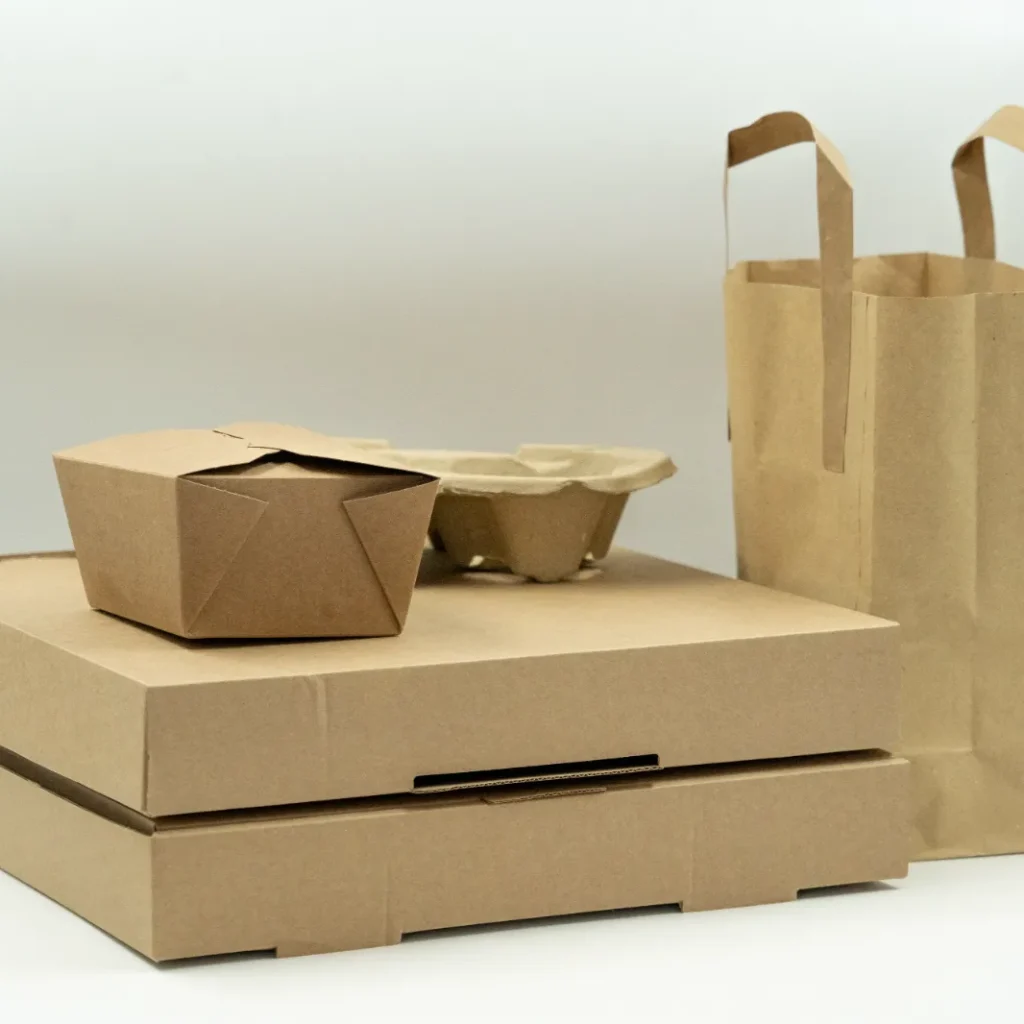
Cardboard containers are everywhere, from takeout boxes to leftover storage. They’re lightweight, convenient, and recyclable. But when you’re hungry and in a rush, you might ask: are cardboard containers microwavable?
The short answer is sometimes. Some cardboard packages are specifically approved for microwave reheating, while others have coatings, adhesives or metallic layers that make them unsuitable. The safest choice depends on the exact package and its instructions. The FDA explains how food-contact packaging materials are regulated. For other packaging materials, see our takeout-container microwave guide. If you are reheating a meal on disposable tableware, our paper plate microwave-safety guide covers that separately.
Table of Contents
Are Cardboard Containers Microwave Safe?
It depends on how the cardboard is made.
Cardboard by itself is just compressed paper — it can handle gentle heat, but it’s not inherently heat-resistant. What matters most is what’s mixed with it or coated on it.
Cardboard packaging labeled for microwave use is intended to be used according to the manufacturer’s directions. Linings and coatings vary, and some paperboard packages containing plastic or other coatings are specifically designed for microwave reheating. Never assume an unmarked container is suitable; avoid metal components unless the precise packaging and appliance instructions expressly allow them. Transfer food to an approved dish when uncertain.
If the container is unmarked, assume it’s not microwave-safe. The risk of overheating, smoke, or contamination is too high.
How to Tell If a Cardboard Container Is Microwavable
Look for these clues before microwaving:
- Microwave-Safe Symbol — three wavy lines or a small microwave icon.
- Label or Text — many boxes say “microwave safe” or “heat resistant.”
- Inspect for metal components. Avoid staples, foil, metallic inks and metal-lined packaging unless the exact package and microwave manufacturer’s instructions expressly permit them.
- Review coatings and linings. A waxy or glossy appearance alone cannot establish microwave safety. Some coated packages are specifically engineered for microwave use, while others are not. Follow the package maker’s instructions.
- Manufacturer Info — if it’s from a restaurant, check the packaging or website; many brands now specify their containers’ microwave safety.
If you’re still unsure, transfer the food to a microwave-safe glass or ceramic container.
What Happens If You Microwave the Wrong Type of Cardboard
Using the wrong container can cause more than a messy microwave:
- Warping and burning: Thin cardboard or coated paperboard can catch fire if overheated.
- Chemical leaching: Plastic-coated or printed boxes can release dyes and glue into food.
- Moisture absorption: Paper fibers may weaken and collapse under steam.
- Uneven heating: The box may block heat flow, leaving food cold in some areas.
In short, just because it’s paper doesn’t mean it’s safe to heat.
Tips for Microwaving Cardboard Safely
If your container is labeled microwave-safe, follow these simple steps:
- Follow package heating directions. Use any stated microwave power and time limits, pause to stir or rotate food where appropriate, and check that leftovers reach 74°C (165°F).
- Vent the container. Lift the lid or open flaps slightly to release steam.
- Avoid overfilled boxes. Steam buildup can cause sogginess or leaks.
- Don’t microwave empty cardboard. Always include food or liquid to absorb the energy.
- Watch closely. If the box starts to smoke or discolor, stop the microwave immediately.
Following these precautions ensures your meal stays warm — not burned.
Alternatives to Microwaving Cardboard
If you microwave often, switching to containers designed for reheating is safer and more efficient. Consider:
- Glass containers: Durable, chemical-free, and perfect for everyday use.
- Microwave-safe plastic: Look for explicit microwave-use instructions from the maker. A BPA-free claim does not establish suitability for reheating.
- Silicone containers: Flexible, lightweight, and highly heat-resistant.
These options heat food evenly and reduce the risk of smoke or contamination.
Conclusion
So, are cardboard containers microwavable? Some are, when the package manufacturer explicitly approves them for microwave reheating. Plain or uncoated cardboard should not be assumed suitable based only on its appearance. Transfer food to a clearly labeled microwave-safe dish when instructions are unavailable.
When in doubt, play it safe — transfer your food to a microwave-safe glass or ceramic container. It’s safer, cleaner, and better for your microwave.
FAQs About Microwaving Cardboard Containers
Can you microwave takeout boxes made of cardboard?
Only if the packaging manufacturer expressly approves microwave use. Avoid metallic components and follow the instructions for coatings or liners; otherwise transfer food to a labeled microwave-safe dish.
Why do some cardboard boxes catch fire in the microwave?
Cardboard ignites when it’s too dry or overheated. Always heat food in short intervals.
Can I microwave pizza boxes?
Do not assume pizza delivery boxes are microwave-safe. Unless the manufacturer expressly permits microwave heating, move the pizza to a labeled microwave-safe plate.
Is compostable cardboard microwave safe?
Some are, but check for certification or the microwave-safe symbol before heating.
How long can I microwave cardboard safely?
There is no universally safe time for microwaving cardboard. Use only packaging expressly approved for microwave heating and follow its stated limits; otherwise transfer food to a labeled microwave-safe dish.