
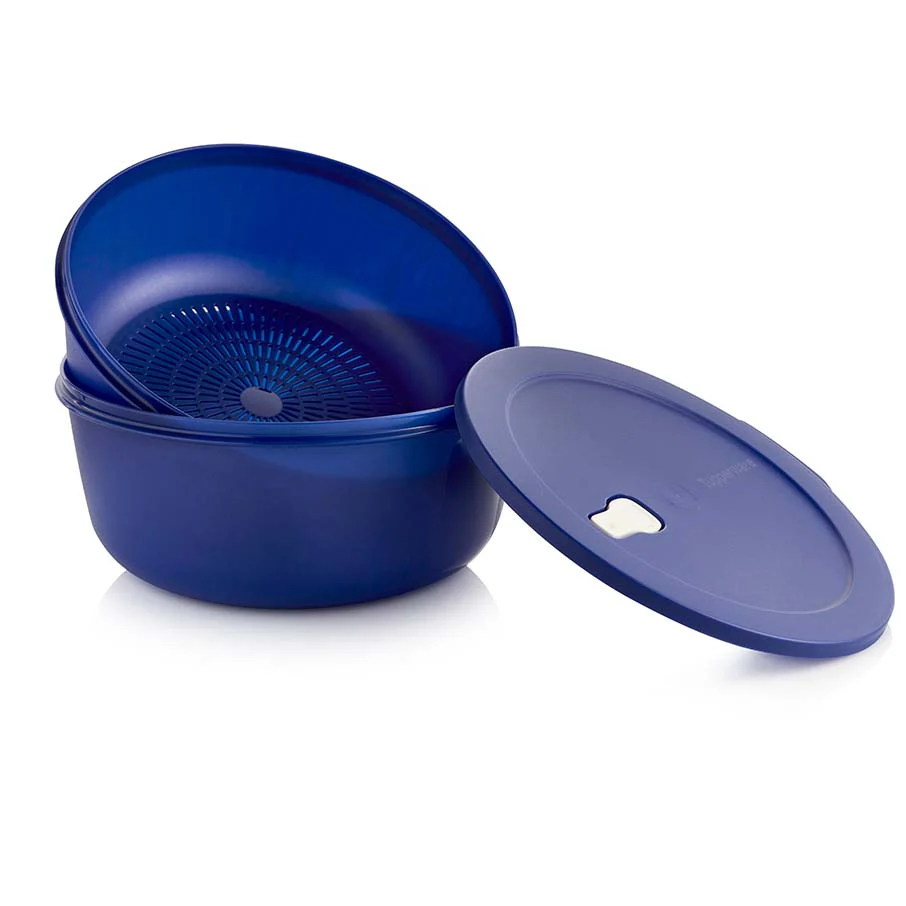
Tupperware lids make it easy to store food securely, preventing leaks and keeping meals fresh. But when it’s time to reheat leftovers, many people wonder: are Tupperware lids microwave safe?
The answer is not always. While most modern Tupperware containers are designed for microwave use, the lids are often the part that gets overlooked. Some lids can handle gentle reheating, but others may warp, melt, or release harmful chemicals when exposed to high heat. Knowing which ones are safe can save you from ruined lids — and potentially unsafe meals.
Table of Contents
Are Tupperware Lids Microwave Safe?
If you’ve ever asked yourself, “are Tupperware lids microwave safe,” the truth is that only certain ones are. Modern Tupperware lines made from polypropylene (PP, plastic #5) are generally safe for low-heat microwave use, but older or unmarked lids can pose risks.
Unlike the container itself, the lid may not be designed to withstand the same level of heat. Many lids are thinner and softer than the main bowl, which means they can deform faster. Always check the microwave-safe symbol on the underside of both the lid and container — don’t assume the entire set is microwave safe just because one piece is.
Why Some Tupperware Lids Are Not Microwave Safe
There are a few reasons certain Tupperware lids shouldn’t go in the microwave:
- Material sensitivity: Older lids may contain BPA or other chemicals that can break down under heat, contaminating your food.
- Structural weakness: Lids are often made of softer plastic, which can warp or crack from expanding steam.
- Tight sealing: Microwave heat causes pressure to build up inside containers. A sealed lid can trap steam and lead to sudden popping or splattering.
- Non-vented design: Lids without vent holes can’t release moisture safely, increasing the risk of distortion or overheating.
If a lid doesn’t display a microwave-safe logo or venting instruction, it’s best to remove it before heating.
How to Check if Your Tupperware Lid Is Microwave Safe
Here’s how to quickly determine whether your Tupperware lid is safe to microwave:
- Look for the symbol. Check the underside of the lid for a microwave-safe logo (three wavy lines or a small microwave icon).
- Check the plastic code. If it’s marked #5 (PP), it’s generally safe for reheating. Avoid lids labeled with #3 (PVC), #6 (PS), or #7 (Other).
- Test with care. Place the lid loosely over the container and heat on medium power for 30 seconds. If the lid deforms or becomes sticky, it’s not microwave-safe.
- Follow the manufacturer’s guidance. Tupperware often specifies which product lines can be microwaved.
Safe Ways to Microwave Food in Tupperware
If your lid isn’t labeled as microwave safe, you can still reheat food safely using these steps:
- Loosen or remove the lid before heating to let steam escape.
- Use a vented cover or a paper towel instead to prevent splattering.
- Avoid prolonged heating — reheat food in short intervals, stirring between bursts.
- Never heat empty containers, as this can cause the plastic to overheat.
- Keep power settings low to medium to prevent damage.
These small precautions extend the life of your Tupperware and keep your microwave clean and safe.
What Happens If You Microwave the Wrong Lid
Microwaving a lid that isn’t designed for heat can cause several issues:
- Warping or melting: The plastic softens and loses shape, preventing a proper seal.
- Odor retention: Heat can cause plastic to absorb food smells permanently.
- Chemical leaching: If the plastic degrades, small amounts of chemicals can transfer into your meal.
- Microwave mess: Tight lids may burst open under steam pressure, splattering food inside your appliance.
If you notice your lid warping or showing burn marks, discard it immediately. Continued use could be unsafe.
Tips to Keep Your Tupperware Lids in Good Shape
To make your lids last longer and stay safe:
- Only microwave lids marked as microwave safe.
- Always vent the lid or leave it slightly ajar.
- Avoid heating greasy or tomato-based foods directly under the lid.
- Clean lids with mild soap and avoid abrasive scrubbing that can weaken the surface.
- Store lids flat or upside down to prevent bending over time.
Following these simple steps keeps your containers functional and safe for daily use.
Conclusion
So, are Tupperware lids microwave safe? Some are — but only if they’re labeled as such. Most modern lids can handle light reheating when used properly, while older or unmarked ones should be kept out of the microwave entirely.
Always check the microwave-safe symbol, use low power, and allow steam to vent. This keeps your food, your microwave, and your Tupperware lids in top condition for years.
FAQs About Microwaving Tupperware Lids
Can I microwave Tupperware with the lid on?
Yes, but only if the lid is vented or loosely placed. Fully sealed lids can trap steam and cause warping or popping.
Are old Tupperware lids microwave safe?
No. Older lids may contain BPA or weaker plastics that can deform or leach chemicals when heated.
How long can I microwave Tupperware lids safely?
Limit heating to 30–60 seconds at medium power. Extended exposure increases the risk of damage.
Why do my Tupperware lids keep warping?
Repeated heating or using high power can cause the plastic to soften and lose its shape. Use gentle settings and vent properly.